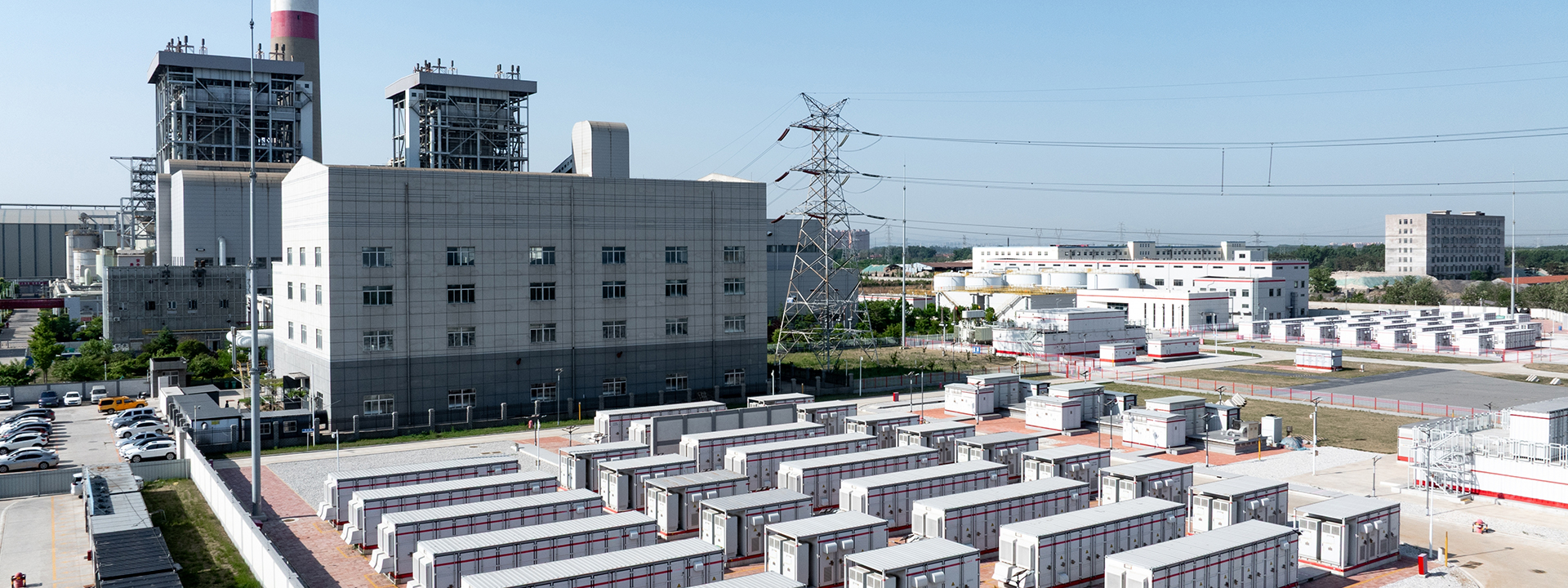
When you walk into an industrial factory, 80% of its energy consumption is heat. Not electricity. Steam for food processing, high-temperature kilns for ceramics, process heat for chemicals. And for decades, that heat has come almost exclusively from burning gas.
That model is under pressure. In Europe especially, manufacturers are watching gas prices eat into margins that were already thin. The ones who don’t find a path to cheaper, more resilient energy are losing their competitive edge to lower-cost producers elsewhere.
Nir Brenmiller is Co-Founder and Deputy CEO of Brenmiller Energy, a company that has spent over a decade building thermal energy storage specifically for industrial applications. Brenmiller Energy started in solar thermal, pivoted to storage-only, and has since evolved into something closer to an energy service company than a hardware vendor. The company designs, finances, owns, and operates thermal storage systems on behalf of industrial clients, delivering heat and power through long-term contracts rather than selling equipment.
In this conversation with Arnaud Dasprez on The HEX-Files, Nir walks through the business case for industrial heat electrification, why the economics only recently became compelling, and what it actually takes to close deals in one of the slowest-moving buying environments in the energy sector. Keep reading for his most practical guidance.
Check out the full episode.
“Industrial heat alone is the largest single source of energy”
That insight shaped the whole business. Nir and his team came from solar thermal, where they had spent years working with molten salt storage at utility scale. They understood heat well. What they saw was a gap: the storage solutions that existed for large-scale solar did not translate to the factory floor. Molten salt systems were too complex, too large, and too expensive for mid-market industrial sites.
So they started with a simple question. What kind of thermal battery could be bankable, durable, and practical?
The result was a thermal battery built on basic engineering principles, taken to a high degree of integration. It stores heat from any electrical source and releases it as usable industrial heat at high efficiency. The technology itself is not the headline. The insight that made it worth building is: industrial heat is the largest single energy end-use globally, and it had almost no storage options suited to the scale and complexity of real factory operations.
“If your base energy costs less than a natural gas unit, you are competitive”
Brenmiller Energy went through several iterations before the business model clicked. The company started with heat-to-heat applications, capturing waste heat. Then moved to biomass, which made technical sense but created flexibility problems.
Then something changed in the broader energy market: solar and wind got fundamentally, structurally cheap. The logic is simple:
-
Renewable electricity now costs two to three cents per kilowatt-hour in many markets.
-
Thermal storage converts that power to heat at over 90% efficiency.
-
The result: industrial heat at a cost below natural gas, with no policy support required.
That changed the whole value case. Thermal storage no longer needed carbon credits, policy support, or an executive with a sustainability mandate to justify itself. It could now compete on economics. For a company trying to sell into chemical plants, food manufacturers, and tire producers, that matters enormously.
Nir puts it plainly: green is the color of the dollar. If an energy solution can be made economically green, it will go green in every other sense too. Emissions reduction helps the story, particularly in Europe where carbon pricing adds to the financial case. But in Nir’s experience, no deal that doesn’t make economic sense gets done on ESG grounds alone. The spreadsheet has to work first.
“We are an energy company with a special core technology”
This is where the model gets more interesting. Brenmiller Energy does not sell a storage box. The model they have built instead looks more like an energy developer than a hardware company. When a client engages, the company analyzes the full heat and power profile of the site, designs a tailored solution, secures financing, owns the assets, handles grid connections, and delivers energy under a long-term contract. The client signs for reliable, lower-cost energy and Brenmiller handles everything required to produce it.
That full-service model includes:
-
The thermal storage technology and system engineering.
-
Project financing and asset ownership.
-
Grid connection management and renewable energy sourcing.
-
Long-term heat and power supply agreements, typically 7 to 15 years.
The reason this model wins, Nir argues, is that industrial heat is not a commodity. Electron is an electron, but industrial heat comes in many sizes, shapes, pressures, and temperatures. Every site is different. If you only sell the storage unit, the client still has to solve the rest. That creates risk, delay, and finger-pointing when something goes wrong. A single accountable partner removes all of that.
“You start with those who are in pain”
Demand generation is not currently Brenmiller’s hardest problem. In Europe, manufacturers in chemicals, food and beverage, and tire production are watching gas costs erode their competitiveness against producers in lower-cost regions. Many are already searching for alternatives.
But Nir is deliberate about which of those prospects actually become projects. The company has a tight solution box right now, and they have learned to walk away from clients who do not fit it. So the company uses a practical path:
-
Start with the customers in the most pain
-
Keep the solution inside a tight, repeatable box
-
Begin with smaller coverage, not 100 per cent replacement
-
Reduce risk before trying to scale fast
In the early stage of a market, shipping good projects matters more than filling a pipeline with marginal ones.
The sales cycle itself runs a minimum of three to four months, often longer. The team has to analyze the client’s production profile in detail, frequently discovering that the client’s own estimates of their heat and power consumption are significantly off. From there, they design a solution, work through financing, secure grid connections, and manage permitting. In some markets that takes two months. In others, two years.
A CRM-driven process with consistent follow-up across a long pipeline is essential. Brenmiller runs sales and marketing as one integrated team with regular joint sessions. The complexity of each deal makes staying coordinated across technical, financial, and commercial workstreams a real operational requirement.

“Nobody wants to be the first one blamed for a bad decision”
The core objection Brenmiller faces is not about the technology, but about risk. Industrial buyers are running production floors. If something stops working, people lose jobs. No engineer wants to be the one who bet the plant on an unproven system and got it wrong.
Nir’s answer to this is practical: start small. Rather than proposing a full replacement of a site’s gas supply, Brenmiller enters at 20 to 60 percent coverage. The existing boilers stay. The client gets meaningful savings and emissions reduction without eliminating their fallback. The risk of a first project is real but manageable, and the client does not have to be the first person in the world to try it.
The goal right now is to get enough reference projects in place, globally across the industry, that buyers in the next wave can point to prior installations and feel confident. Nir talks about 50 systems installed across the sector as the threshold where the dynamic shifts. Not 50 Brenmiller projects specifically, but 50 credible industrial thermal storage deployments that engineers can reference when they make the case internally.
Two or three of those projects are going in now. Next year, Nir expects closing deals to get meaningfully faster as the first wave of references accumulates.
“Make the first 10 clients happy”
The near-term priority is execution. Brenmiller is not focused on creating awareness or generating leads. The market is finding them. What matters now is proving the model through early commercial projects, rebuilding credibility in the capital markets, and creating a reference base that makes later deals easier to close.
The long-term opportunity Nir describes sits at the intersection of three things:
-
Underpriced renewable assets that need a reliable offtaker
-
Flexible thermal storage that can absorb that power and smooth its variability
- Long-term industrial energy contracts who want to escape gas exposure
Put those three together under one contract structure and you get something more valuable than any of the three parts separately.
That combination also creates a more durable business than hardware sales. Owning assets under long-term contracts generates recurring revenue and builds the kind of operational track record that makes the next financing round and the next client conversation easier.
The path ahead is clear: build the first wave well, keep customers satisfied, and let real projects do the talking. In a market this early, that discipline is the whole strategy. Heat flows, savings show up, the plant keeps running. Everything else follows from that.
Explore more ideas and practical advice on this topic.
Catch the full conversation with Nir Brenmiller on The HEX-Files, HexaGroup’s energy marketing podcast for leaders who want real results.
Listen Now:
Want your own podcast? We can help.
Good to grow? Gauge your readiness in 10 minutes flat.
Unlock growth without boundaries
Need region-specific fresh eggs and flying lessons? Learn more about BBN, the agency that unites co-pilots from all corners of the sky.