Artificial intelligence dominates every conversation about the future of business. For energy companies, this technology acts as a double-edged sword. It offers unprecedented opportunities to optimize operations while simultaneously threatening to overwhelm our current energy infrastructure.
The International Energy Agency (IEA) recently released a report diving deep into this precarious relationship. The data reveals a complex paradox that energy executives and marketers must understand to navigate the next decade.
The grid is struggling to keep up
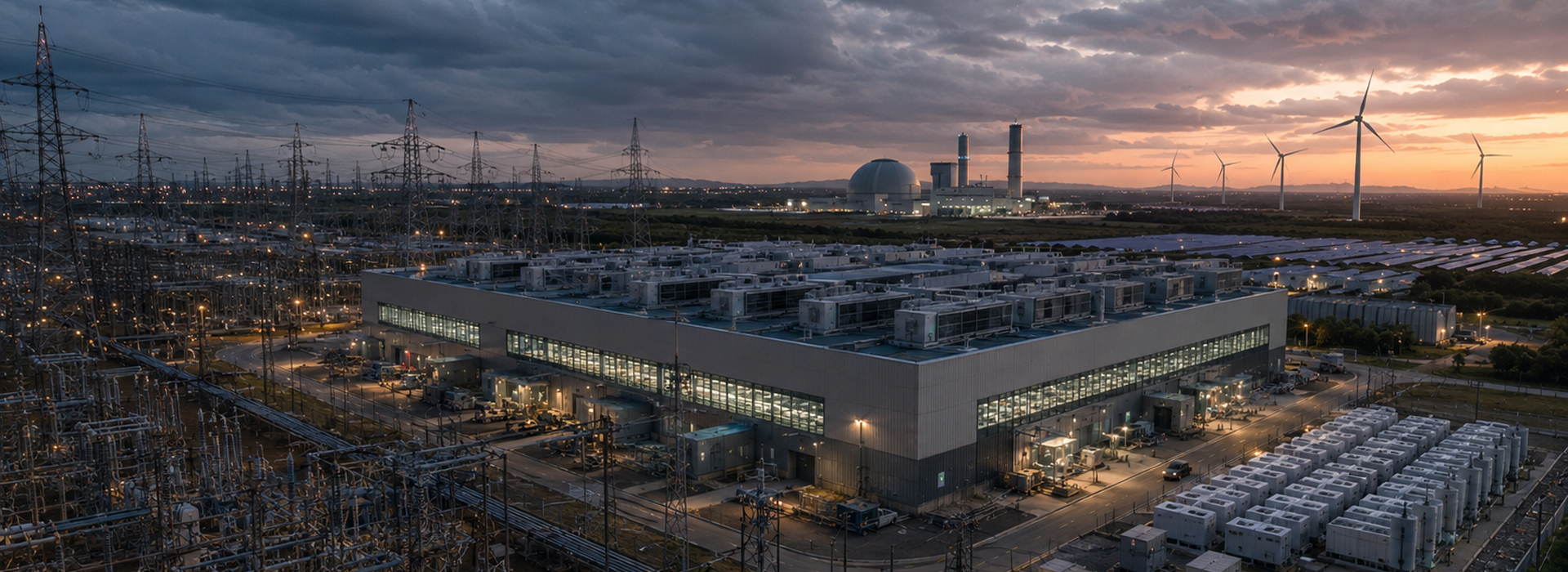
The physical footprint of AI demand is staggering. Data centers consumed 485 TWh of electricity globally in 2025. The IEA projects that figure will nearly double to around 950 TWh by 2030, accounting for roughly 3% of total global electricity demand. AI-focused data centers grow even faster within that total, on track to triple over the same period.
The IEA report is direct about the bottlenecks. Supply chains for gas turbines, transformers, and advanced chips have all tightened. Planning and regulatory systems are strained by the volume of data center connection requests. Grid upgrades that normally take years face timelines that infrastructure cannot meet.
The report identifies three specific pressure points:
- Grid connection delays: The pipeline of data center projects overwhelms planning and approval processes in many jurisdictions.
- On-site gas generation: Some US data center developers are investing in natural gas plants to bypass grid constraints. However, the IEA’s satellite data show that many of these projects are still in the early stages and face significant technical hurdles.
- Demand volatility: AI data centers experience large, rapid swings in power consumption. This strains the technical capabilities of both grid connections and on-site generation.
Social concerns are growing, too. Data centers have become a visible flashpoint for communities worried about energy prices and environmental impact. The right mix of policy and investment can prevent increased data center demand from increasing electricity prices for other users. However, that outcome requires deliberate coordination between governments, utilities, and the tech sector.
Efficiency is improving fast, but demand is growing faster
The relationship between AI and energy usage is counterintuitive. While total demand is skyrocketing, the energy required for individual AI tasks is plummeting. Between 2020 and 2025, the power density of AI servers increased elevenfold.
Massive hardware and software breakthroughs now cut the energy cost per AI query by roughly half each year. A single text query today uses less electricity than turning on your television for just a few seconds.
The IEA describes this efficiency trajectory as unprecedented in energy history. But skyrocketing adoption and increasingly energy-intensive tasks mean total consumption continues to rise even as the per-task footprint shrinks. Efficiency gains alone won’t solve the demand equation.
AI is becoming an energy maker, not just an energy taker
This is the part of the IEA’s findings that gets genuinely interesting for the energy sector. The same technology creating the demand problem is also accelerating solutions for it.
Proven AI applications could cut energy costs for heavy industries by 3 to 10 percentage points through better grid optimization, predictive maintenance, smarter dispatch, and more efficient operations. For industrial energy users, that range represents real margin improvement.
Beyond operational efficiency, AI pulls investment and innovation into energy technologies that previously struggled to scale:
- Nuclear power: The pipeline of conditional offtake agreements between data center operators and small modular reactor (SMR) projects grew from 25 gigawatts at the end of 2024 to 45 gigawatts by April 2026. Data center demand gives SMR projects the anchor offtake they need to attract financing.
- Renewable energy: Tech companies accounted for roughly 40% of all corporate power purchase agreements for renewables signed in 2025.
- Advanced tech: Data center demand creates commercial pull, accelerating the development of long-duration energy storage and advanced geothermal.
IEA Executive Director Fatih Birol put it plainly: “Now, we see that while AI is still an energy taker, it is also becoming an energy maker, driving forward innovative solutions like next-generation nuclear reactors, flexible data centers, and long-duration energy storage.”
The IEA's financial market analysis shows data center demand increasingly drives investor valuations for gas turbine manufacturers, electrical equipment suppliers, and select nuclear companies.
The energy sector is underusing AI
Despite all this momentum, the IEA makes one observation that should give energy leaders pause. The energy industry as a whole is not yet capturing AI’s potential.
Two main barriers are blocking progress: a lack of digital skills within energy organizations and insufficient data availability.
The opportunity is well documented, and the tools exist. However, translating them into operational results requires organizational capability that many energy companies are still building. The gap between what AI can do and how organizations actually leverage it will likely become one of the defining competitive divides of the next decade.
What this means for your growth strategy
In nature, birds don’t wait for perfect conditions to take flight. They read the signals, calibrate their direction, and move when the window is right. Organizations would be wise to take a cue from nature. The IEA’s report is a strong signal, and the window for energy companies to get ahead of this shift is now.
Here are three ways to begin taking action:
- Secure your market positioning early: AI demand completely reshapes which energy technologies attract investment. Articulate a clear, credible story before your competitors realize the conversation has changed. Frame your marketing around your ability to handle this dual challenge and show potential clients how your services help them adopt AI responsibly without jeopardizing their energy security.
- Treat AI adoption as a competitive issue: The IEA documents 3- to 10-point energy-efficiency gains for companies that deploy AI operationally. Companies that close this gap early will carry a real cost and performance advantage.
- Invest in data infrastructure: The IEA cites data availability as a primary barrier to AI adoption. Companies that build this infrastructure now will create a competitive moat. Those that don’t could create a growing liability.
The AI-energy relationship is no longer a distant trend for futurists to monitor. It already actively shapes investment decisions, infrastructure timelines, and competitive positioning across the energy sector. The companies that master this narrative and act early will define the market.
> Explore our energy marketing podcast
> Engineer growth with us





.png?width=605&height=451&name=melissa%20groo%20flying%20bird%20(1).png)