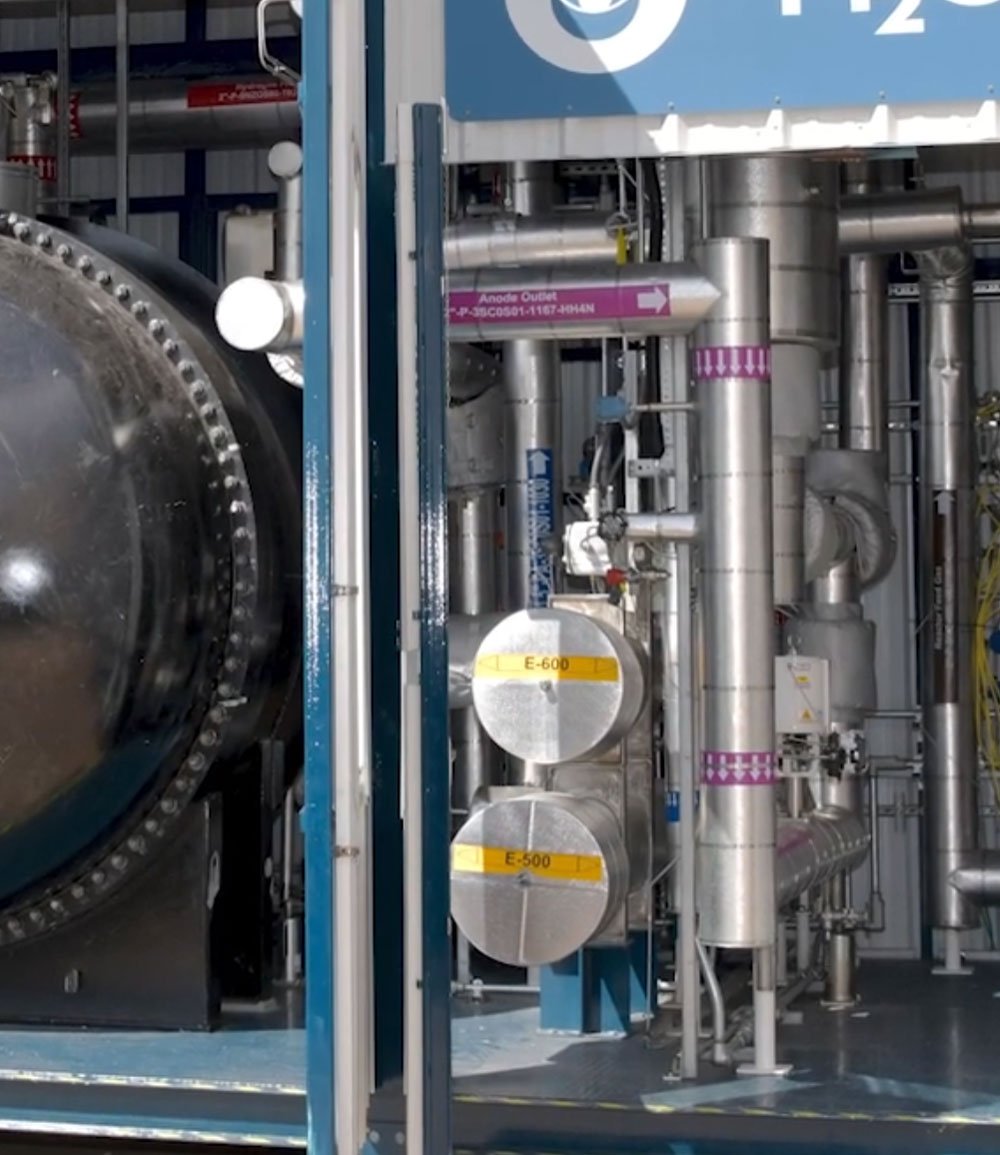

Your industrial marketing playbook
If your website still looks like your 2008 brochure, your sales team is cold-calling off purchased lists and marketing feels like an expensive afterthought, you're not alone. Most industrial and manufacturing companies operate the same way: investing millions in R&D and operations while treating marketing as overhead that generates business cards at trade shows.
HexaGroup's Growth Engine is built specifically for companies that actually manufacture things. Not SaaS platforms. Not consumer brands. Companies with CNC machines, injection molding operations, precision components, industrial equipment and the technical complexity that makes most marketing agencies run for the exit sign.
Accelerate buyer confidence
Guide multi-stakeholder approval
Reduce perceived risk
B2C and B2B marketing were not created equally
One of the most common mistakes manufacturers make is hiring agencies that treat industrial marketing like consumer marketing with a longer timeline. In reality, flashy campaigns without true substance have almost no impact on revenue.
It’s why many teams walk away saying, things like “Google Ads don’t work for manufacturing.” The truth is, the problem isn’t digital — it’s your approach. Effective industrial and manufacturing marketing is about trust, proof and technical depth rather than virality or reach.

Messaging approach
B2C:
Built on impulse, emotion and surface-level brand appeal.
HexaGroup:
Evaluation-driven messaging grounded in technical validation, risk reduction and business impact.

Decision dynamics
B2C:
A single buyer making fast, low-risk decisions.
HexaGroup:
Design for buying committees where engineers, procurement, operations, and executives must align.

Success metrics
B2C:
Optimize for volume metrics like traffic, clicks and short-term conversions.
HexaGroup:
Measures success by pipeline quality, deal progression and long-term revenue impact
The industrial buyer journey: Engineers, purchasing agents and C-Suite
Every stakeholder in a manufacturing purchase evaluates vendors through completely different lenses. Generic marketing that speaks to "the buyer" fails because there is no single buyer.
Successful manufacturing marketing requires understanding how each member of the buying committee operates and delivering the right content to the right stakeholder at the right time.

Engineers: The technical validations
Eliminate vendors who can't meet specifications, don't understand the application or represent implementation risk.

C-Suite: The decision-makers
Evaluate strategic fit, financial impact, and competitive implications and ensure their investments align with objectives.

Purchasing agent: Risk mitigators
Confirm financial stability, negotiate favorable terms and ensure compliance and continuous supply.
A Growth Engine built for industrial digital marketing
In heavy industry, digital marketing services must support long sales cycles, multi-stakeholder buying committees, technical scrutiny, and seven-figure risk decisions. HexaGroup delivers digital marketing services for industrial companies through our Growth Engine methodology.
Explore
Industrial marketing starts with understanding where urgency, budget, and operational pain intersect. We map sub-sectors, regulatory drivers, supply chain constraints and competitive gaps across your product lines.
Why? Identifies underserved applications, emerging specifications and whitespace opportunities.

Market intelligence and competitive positioning
Navigate
Manufacturing marketing requires positioning that engineers trust, procurement can defend, and executives understand. We build brand strategies that translate complex capabilities into clear competitive advantages.
Why? Creates stakeholder-aligned messaging that accelerates buying committee decisions and commands premium pricing.

Brand strategy and go-to-market clarity
Generate
We’re a manufacturing marketing agency that specializes in content designed to satisfy technical scrutiny while building preference. From white papers exploring Total Cost of Ownership to case studies demonstrating uptime improvements, we position your solution as the safer choice across applications.
Why? Provides the proof engineers need, the justification procurement demands and the strategic value executives require.

Technical content that converts
Integrate
Industrial marketing technology must track multi-stakeholder engagement across 12+ month evaluation periods. We integrate CRM, marketing automation, and intent data around how manufacturing buyers actually research — then connect anonymous website visits to known accounts and score engagement by role.
Why? Connects marketing spend to closed revenue and proves which campaigns drive pipeline in complex journeys.

Systems built for complex B2B cycles
Nurture
Manufacturing marketing prioritizes quality over quantity. With target markets of 100–500 viable accounts, success means engaging the right buying committees at the right time. Through inbound marketing, technical SEO and role-specific content, we maintain presence throughout extended evaluation periods.
Why? Keeps you visible when engineers evaluate alternatives, procurement builds cases, and executives assess strategic fit.

Qualified demand over lead volume
Elevate
In industrial marketing, customer relationships determine long-term value. We extend beyond acquisition to support onboarding, adoption, cross-sell and advocacy — turning satisfied customers into referenceable proof that wins the next deal faster.
Why? Transforms retention into your most powerful Growth Engine through systematic expansion and champion activation.

Retention, expansion and advocacy
Industrial SEO and topical authority in the age of AI
Search engines and AI tools decide which information to prioritize based on E-E-A-T (Experience, Expertise, Authoritativeness, and Trustworthiness). Explore how we systematically built these signals for one large industrial services company.
Manufacturing buyers trust companies that demonstrate real-world operational knowledge. We developed industrial marketing content showcasing TEAM's decades of field experience across refineries, petrochemical plants, power generation facilities and pipeline networks.
This included detailed project case studies with specific outcomes, application notes explaining challenges in extreme operating conditions and visual documentation of complex industrial environments where their services delivered measurable impact.
Technical expertise in industrial marketing requires demonstrating deep knowledge of processes, materials, standards and methodologies. We created content clusters around core competencies — non-destructive testing (NDT), mechanical integrity, heat treating processes and advanced inspection technologies. Each cluster connected foundational concepts to advanced applications, demonstrating comprehensive domain mastery.
Authority in industrial marketing comes from external validation and industry recognition. We positioned TEAM's certifications, accreditations and engineering credentials prominently — highlighting ASNT Level III certifications, NBIC R-stamp authorization and ISO 9001 quality management. We also developed thought leadership content addressing emerging compliance requirements and industry trends that positioned TEAM as forward-thinking experts, not just service providers.
Trust in industrial marketing requires transparency, accuracy and proof of reliability. We implemented rigorous fact-checking processes, ensured all technical claims were defensible and maintained current safety and compliance information. Customer testimonials featured specific, measurable outcomes from recognized operators. We also optimized site security, implemented clear privacy policies, and ensured technical accuracy through regular content audits with TEAM's subject matter experts.
LinkedIn and inbound marketing: Manufacturing example
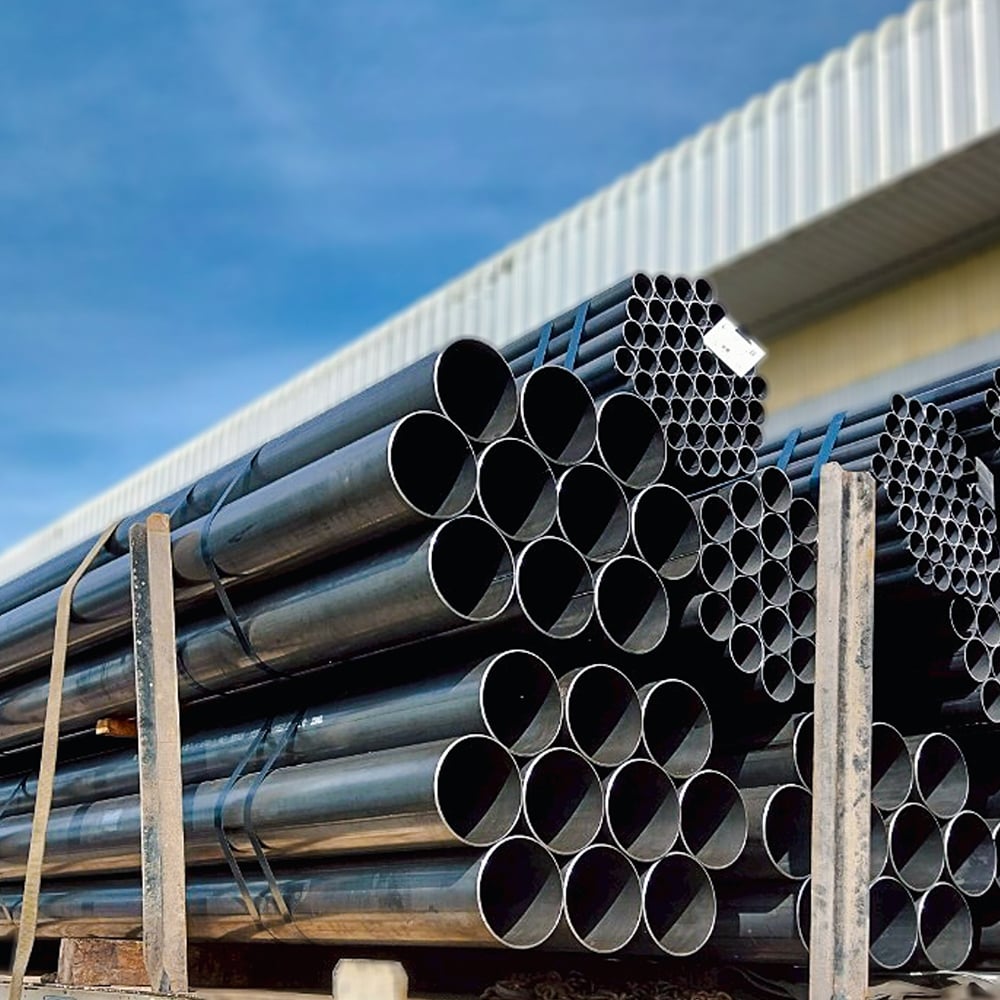
Manufacturing marketing fails when it treats plant managers, engineers, and procurement directors the same. Each role evaluates vendors differently — and generic campaigns get ignored. We build precision targeting systems that generate qualified leads, not noise. Explore how we built an account-based LinkedIn and inbound marketing system for a post-consumer resin company.
Segment by manufacturing application
This client solves very different problems depending on how and where the material is used. We started by breaking the market into real manufacturing applications, including food-contact requirements, packaging performance and industrial durability.

Map buying committees by role
No manufacturing decision lives with one person. For this client, every opportunity involved sustainability leaders, engineers, operations and procurement — each with their own priorities and veto power.

Build role-specific messaging
Once we understood the people involved, the message changed by design. Sustainability leaders needed certification and ESG credibility. Engineers needed specifications, testing data, and performance proof. Procurement needed confidence in supply reliability and partnership.

Deploy tiered account-based targeting
With roles and applications defined, we scaled relevance without losing precision.
LinkedIn and email worked together to reach the same stakeholders consistently, reinforcing credibility over time.

Automate multi-channel nurture
Manufacturing buying cycles unfold over months. We built HubSpot workflows that kept Natura PCR present throughout evaluation without overwhelming prospects.
Technical content engineers actually read, save and share
Vague value propositions, generic benefits and stock visuals don’t survive technical scrutiny.
We create technical content engineers trust, procurement can defend and operations teams use to justify decisions.
Thought leadership for a mechanical seal company
John Crane operates in one of the most technically demanding industrial markets. Their buyers evaluate vendors based on decades of performance data, compliance standards and proven operation in extreme conditions. We built an industrial content strategy that deepened their position as the authority in their category.
In highly engineered markets, white papers set the rules of evaluation. For this client, we developed deep technical white papers that tackled the same challenges engineers face in the field, long before a vendor shortlist is ever created. Topics like hydrogen service sealing in extreme conditions and fugitive emissions reduction addressed problems engineers were actively trying to solve.
Instead of positioning products first, these papers walked through failure modes, material tradeoffs, regulatory constraints, and performance validation methods. Why? Industrial marketing should teach the buyer about how to evaluate the solution, not just what the company offers.
While white papers establish long-term authority, technical blogs keep that authority relevant as conditions change. For this client, blogs became a way to engage engineers during active research moments to keep our industrial marketing strategy fresh and always aligned with changing regulations and evolving technologies.
Each blog answered a specific, practical question engineers were already searching for and offered guidance they could use immediately, not promotional messaging dressed up as education.
In industrial marketing, credibility is earned in operating conditions, not conference rooms. We worked to ensure this client’s industrial marketing strategy provided proof at the level of detail engineers and procurement teams needed to trust a recommendation.
Each case documents real environments: operating pressures and temperatures, fluid properties, equipment configurations and material selections. We also made sure to quantify results so engineers, procurement teams and executives could better assess their technologies.
Not every buying moment calls for a 20-page paper. To support engineers across different stages of evaluation, we extended this client’s technical content into formats that match how engineers actually consume information.
Webinars created space for interactive technical education and real-time questions. Application guides helped teams install and operate seal systems correctly the first time. Technical brochures supported quick comparisons during early evaluation. Together, these formats reinforced the same technical credibility at different moments throughout the buying journey.
Putting it all together: Why integrated industrial marketing compounds results
Most manufacturing companies treat marketing as disconnected tactics. SEO runs independently from content. LinkedIn campaigns don't connect to CRM workflows. Website updates happen in isolation from sales enablement needs. Technical white papers sit unused in asset libraries. The result? Activity without momentum. Busy teams producing work that doesn't compound.

Connected systems compound impact
All formats reinforce each other so trust builds faster and carries forward.

Momentum builds over time
Authority, pipeline and deal velocity increase with every asset and interaction.

Relevance at every stage
Engineers, procurement and executives each get what they need, when they need it.
Growth Engines validated in real industrial markets
When industrial marketing must support $2M+ equipment decisions, satisfy engineers evaluating specifications, convince procurement to defend pricing and align executives on strategic fit, expertise works in our favor. Explore how positioning clarity, technical content depth and systematic nurture convert complex buying committees into closed revenue.

GTM foundation for an industrial robotics startup
What: Built a complete go-to-market foundation, including positioning, messaging, website and launch assets.
Why: Persona AI needed rapid technical credibility with engineers, investors, and enterprise buyers in a crowded robotics market.
How: Defined a defensible industrial narrative and translated complex robotics capabilities into buyer-relevant value.
Results: A market-ready brand and website that accelerated enterprise conversations and early pipeline.
Decarbonization GTM and growth strategy
What: Created a go-to-market strategy for a utility-focused decarbonization platform in a regulated environment.
Why: The client needed to prove technical feasibility, regulatory alignment, and long-term value beyond sustainability claims.
How: Aligned positioning, content, and demand programs to utility buying behavior and compliance requirements.
Results: Clearer positioning, stronger stakeholder engagement and a scalable Growth Engine for long-cycle deals.
Enterprise sales enablement and GTM support
What: Delivered sales enablement and GTM assets tailored to complex industrial buying committees.
Why: Sales teams needed materials that could withstand engineering review, procurement scrutiny, and executive evaluation.
How: Translated complex offerings into clear, defensible narratives supported by proof and structured tools.
Results: Stronger sales alignment, faster adoption, and improved execution across enterprise accounts.
GTM foundation for an industrial robotics startup
What: Built a complete go-to-market foundation, including positioning, messaging, website and launch assets.
Why: Persona AI needed rapid technical credibility with engineers, investors, and enterprise buyers in a crowded robotics market.
How: Defined a defensible industrial narrative and translated complex robotics capabilities into buyer-relevant value.
Results: A market-ready brand and website that accelerated enterprise conversations and early pipeline.
Decarbonization GTM and growth strategy
What: Created a go-to-market strategy for a utility-focused decarbonization platform in a regulated environment.
Why: The client needed to prove technical feasibility, regulatory alignment, and long-term value beyond sustainability claims.
How: Aligned positioning, content, and demand programs to utility buying behavior and compliance requirements.
Results: Clearer positioning, stronger stakeholder engagement and a scalable Growth Engine for long-cycle deals.
Enterprise sales enablement and GTM support
What: Delivered sales enablement and GTM assets tailored to complex industrial buying committees.
Why: Sales teams needed materials that could withstand engineering review, procurement scrutiny, and executive evaluation.
How: Translated complex offerings into clear, defensible narratives supported by proof and structured tools.
Results: Stronger sales alignment, faster adoption, and improved execution across enterprise accounts.
Industrial and Manufacturing Marketing: Your Questions Answered
Industrial marketing operates under constraints that generic B2B agencies don't understand. Sales cycles span 12-18 months, not weeks. Buying committees include 6-10 stakeholders across engineering, operations, procurement, finance, and compliance.
Our manufacturing marketing agency was built specifically for these realities. We understand multi-stakeholder approvals, technical scrutiny and the 35+ touchpoints required before contract signature. We know how engineers evaluate specifications and integration requirements. With 20+ years of industrial marketing experience, our team creates unified growth strategies that build trust and momentum long-term and establish your company as the technical leader in your category.
In industrial marketing, "results" means qualified pipeline with realistic close probability. Most clients see measurable traction within 60-90 days: increased organic visibility for technical search terms, higher-quality inbound inquiries from target accounts and improved engagement from buying committee members.
Meaningful pipeline impact typically appears within 120-180 days as nurture campaigns mature, SEO gains momentum and account-based targeting reaches decision-makers. However, the real value compounds over time. Companies that maintain integrated manufacturing marketing systems see continuous improvement as brand authority builds, content libraries grow, technical credibility strengthens and systems optimize based on performance data.
Yes. Our manufacturing marketing agency experience spans discrete manufacturing (machinery, equipment, components), process manufacturing (chemicals, materials, coatings), fabrication and machining (metal fabrication, precision parts), industrial services (maintenance, inspection, testing) and automation and controls (robotics, sensors, industrial IoT).
We've supported 150+ industrial companies including capital equipment manufacturers, industrial service contractors, precision component suppliers, process technology providers and specialty materials companies.
Technical credibility is non-negotiable in industrial marketing. Our process ensures every claim survives engineer-level scrutiny:
- We interview your technical experts to understand specifications, applications, materials, processes and differentiation.
- We study how competitors position similar solutions, identify technical gaps and find defensible differentiation based on real capabilities, not marketing spin.
- Every technical claim is reviewed against documentation, test data, certifications and customer proof before publication. We never overstate capabilities or make unsubstantiated claims.
- We build review cycles for legal, engineering, quality and regulatory approval as needed. Content addressing safety, compliance or performance undergoes rigorous internal validation.
- We cite relevant industry standards (ISO, ASTM, ASME, API, ANSI) and regulatory requirements, demonstrating knowledge of the technical frameworks governing your market.
In short, our copywriters learn the ins and outs of your technology and translate complexity into clear value propositions that respect technical reality while remaining accessible.
Industrial PPC is fundamentally different from consumer advertising. Our approach targets high-intent technical searches, account-specific campaigns and long-cycle attribution:
SEO: Engineers don't search "crane rental" — they search "500-ton crawler crane rental Houston petrochemical." We target these high-intent, application-specific queries that signal active project evaluation.
Display remarketing: Broad targeting wastes budget. We deploy remarketing campaigns serving ads only to target company domains, known decision-makers and active accounts already in your pipeline.
Landing pages: Consumer landing pages repel industrial buyers. We design PPC destinations matching industrial decision-making: detailed service descriptions, certifications and compliance proof and project case studies.
Multi-touch attribution: Industrial service contracts don't convert in single sessions. We track assisted conversions, buying committee expansion and multi-channel influence to demonstrate PPC impact.
Manufacturing sales cycles spanning 12-18 months with 6-10 buying committee members create a fundamental challenge: how do you maintain engagement without overwhelming prospects or exhausting your sales team? Marketing automation solves this by systematically nurturing relationships based on behavior, role, and buying stage.
HubSpot serves as the central nervous system for our Growth Engine deployments. Unlike generic marketing platforms, HubSpot integrates seamlessly with industrial CRM systems (Salesforce, Microsoft Dynamics), ERP platforms and sales workflows — creating closed-loop visibility from first website visit through closed deal and customer expansion.
E-E-A-T (Experience, Expertise, Authoritativeness, Trustworthiness) is Google's content quality framework, especially critical in industrial marketing where technical accuracy determines vendor selection.
Search engines and AI models (ChatGPT, Perplexity, Google AI Overviews) prioritize content demonstrating real expertise. When engineers search technical queries, Google ranks sources proving deep knowledge, operational experience, and industry recognition.
Strong E-E-A-T means appearing in: traditional search results, AI Overview citations, ChatGPT responses, industry publication references, procurement vendor research.
Yes. HubSpot is our platform of choice for manufacturing marketing automation because it integrates marketing, sales and service into one system. We offer the following HubSpot services for industrial clients:
Implementation: CRM setup with custom industrial properties, lead scoring for 12-18 month cycles, role-based workflows, pipeline configuration, ERP/accounting integration
Campaign deployment: Landing page templates, email templates by stakeholder role, form strategies capturing industrial data, automated sequences
Sales enablement: Email tracking, meeting scheduling, quote tracking, deal stage automation, closed-loop reporting
Attribution: Custom dashboards tracking pipeline influenced, deal velocity, win rates, content performance, multi-touch attribution, executive ROI reporting
Optimization: Regular workflow refinement, lead scoring adjustments, content strategy updates, integration enhancements
Make it bold. Make it fly.
Ready when you are. Let’s fuel the next phase of your growth.